

For a long time, posting online had a clear goal: make it polished, make it impressive, add effort, let it blow up. But somewhere along the way, the internet stopped rewarding perfection the way people expected. Now, some of the content that spreads fastest and gets millions of views is the exact opposite, and honestly that is a good thing. Blurry one-photo CapCut edits, low effort memes, badly cropped images and songs that sound like they were recorded on an android give a sense of nostalgia and pure entertainment.
You can see it all over TikTok. A simple CapCut template with one low quality photo, a zoom effect, maybe some sparkles and a beat drop, and suddenly thousands of people are using it. It almost feels backwards. Why would something so basic do better than a carefully edited video?
Part of it is that “bad” media feels more alive, more relatable. Perfect content can be impressive, but it can also feel closed off. There is nothing to do with it except watch. Rough, low-effort content feels open. It feels like something you could remake, send to a friend, or turn into your own version, therefore creating a trend. Instead of asking people to admire it, it invites them to join in.
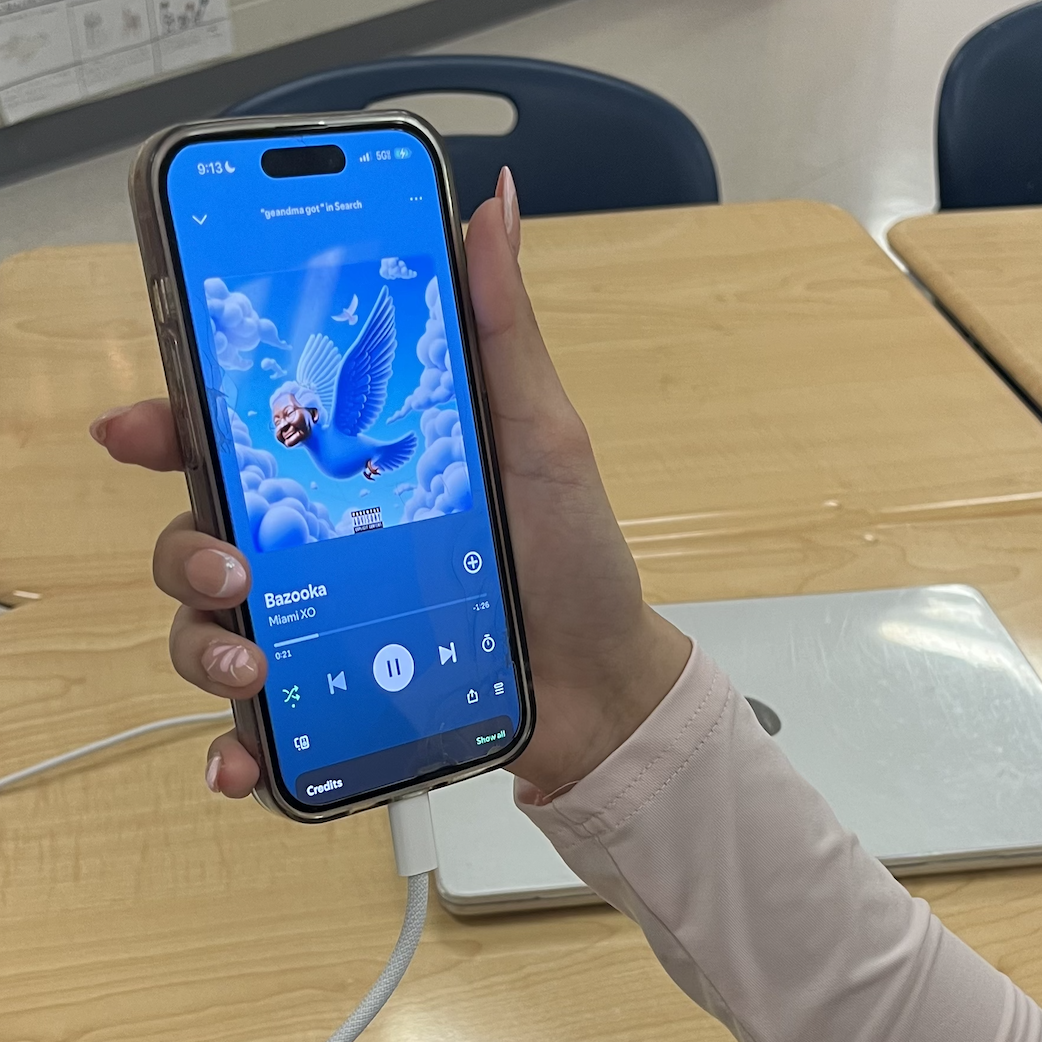
The same idea explains why someone like Yuno Miles, a rapper and internet personality known for making intentionally ridiculous and low quality sounding songs, keeps going viral. His music is the epitome of “bad media.” He is the type of artist to get offended when accused of putting effort into his music. The audio quality is rough, to say the least. His lyrics are absurd, and the delivery feels very random, and yet that’s what makes it so great. In one of his recent songs, “Sea Lion,” he proceeds to bark like a sea lion into the mic. There’s also a similar type of song that has been going viral on TikTok by an artist named Miami Xo about his granny getting “hit by a bazooka.” These are prime examples of this new era of internet memes. They spread because it is ridiculous, yet catchy and memorable. They’re the type of songs you hear once and immediately want to send to someone just to see their reaction.
A lot of purposefully “bad” media is not actually failing. It is just aiming for something different. Instead of trying to be beautiful or impressive, it’s easy to share. And that arguably is the most important part of social media. The social aspect. The more shares something gets, the more it goes viral, the easier it is to become a trend. This is what truly matters in an environment where people scroll past hundreds of posts a day. The fastest way to stand out is not only being better, but being different.
This new trend of bad media also taps into something nostalgic for many people. A lot of this content feels a little childish in a way people enjoy. The bad edits and random humor feel similar to early internet videos and memes people used to watch in their early years of Youtube and Vine. That sense of not taking anything seriously brings people back to a time when being online felt more casual and less curated. Nostalgia has been huge across the internet lately, and this kind of content fits right into that.
At the end of the day, poorly made media is not funny by accident. It is funny because it breaks the rules of what online content is “supposed” to be. In a feed full of polished posts, clean aesthetics and people obviously trying their hardest to go viral, badly made content feels so refreshing. It is dumb, self-aware and easy to laugh at with other people, which is exactly why it does so well. Rather than making the internet worse, this kind of media makes it feel less serious and more fun.