

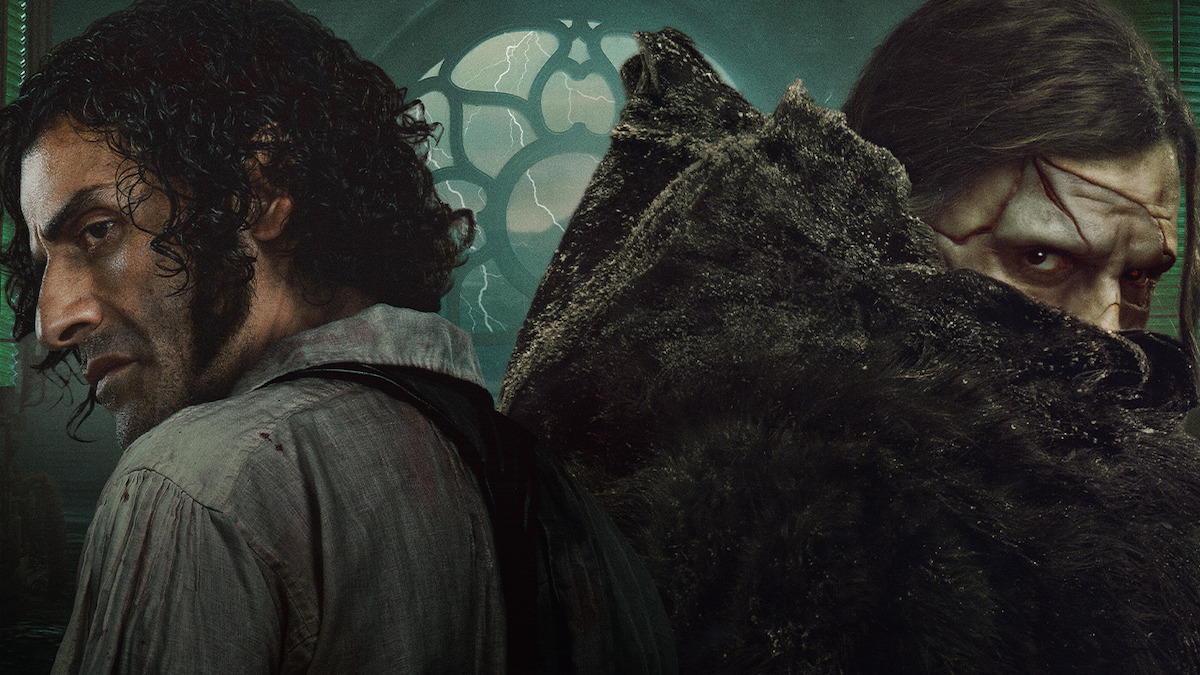
The newest “Frankenstein” remake, released fall of this year, does not pretend it is just another gothic horror revival. Instead, it dives straight into our modern anxieties about technology, loneliness and what it means to be human. The film has themes so strong it resonates with the audience throughout the entire movie in a way most big studio films aren’t able to.
At first glance, the movie looks like another money grabbing attempt to make a classic relevant again. But, once the Creature opens its eyes, it becomes clear this version is not here to retell Mary Shelley’s story. It is here to reveal how easily we trade empathy for efficiency in a society obsessed with progress. The film swaps out a Victorian drama for a world that feels way too familiar, a world where people build things that they are not emotionally ready for and then run away from the consequences when they get overwhelming.
What makes the adaptation so effective is the way it refuses to turn the monster into a villain. The Creature (Jacob Elordi) is not horrifying because of its appearance. It is horrifying because of how quickly society decides it does not deserve a place among us. The film drives that idea home by showing how quickly people distance themselves from the Creature and treat it more like a problem to hide rather than a living, breathing being in need of empathy. It is unsettling in the way real life can be unsettling, which is why the weight of those scenes lay heavy on your chest for the duration of the movie.
The emotional moments are where the movie really shines, though. The Creature is not just misunderstood, it is painfully aware of its rejection. Its quiet scenes are tender in a way that makes you stop and actually feel something. The film is not interested in making you jump from cheap scares or bloody gore, it wants you to sit in the discomfort of being forced to empathize with something everyone else dismisses as “other.” And strangely, it works.
Some viewers may feel the movie leans a little too heavily into modern themes, which they think pulls it away from the original story’s darker, gothic tone. But that is exactly why I like it. Mary Shelley wrote “Frankenstein” as a warning about unchecked ambition, and this version simply updates the warning for our day and age. We are still creating things we do not know how to care for. We are still running from our responsibilities the second they become inconvenient. At a certain point, it stops feeling like fiction and starts feeling like a reflection of the world we are living in.
The film was not perfect. A few scenes lingered longer than they needed to, which sometimes weakened the emotional impact. But even with its flaws, this is one of the few remakes that actually earns the right to exist. It does not repeat Shelley’s story. It argues with it. It reframes it. And it reminds us why that story has lasted for two hundred years.
The new film is not scary because of its Creature. It is scary because Victor Frankenstein does not feel like a fictional character anymore. He feels like someone you could bump into on the street, or possibly sit next to on the metro. Maybe he’s your classmate. He feels like just another person; unaware, naive, and arrogant, like probably 80% of the population. And that might be the most horrifying part of all.