

In 2025, TikTok continued to shape internet culture and nurture trends that captivated millions across the globe. Some trends became mainstream obsessions, others quietly defining niche communities. From viral challenges that dominated everyone’s For You Page to quirky micro-trends, these are the top 15 TikTok trends of 2025.
- Betrayal list

Image courtesy of PICRYL
The betrayal list trend is a viral social media meme where people create and share humorous lists of things they feel have wronged them or let them down. They wouldn’t list actual enemies, but rather everyday annoyances like paper straws, phone storage limits or annoying habits that feel like personal betrayals. It originally gained popularity in September after Kanye West posted his own betrayal list of people he felt had betrayed him. Users quickly turned the idea into a meme by reframing it to list mundane frustrations instead of real people. The trend blew up because the format is easy to copy and highly relatable; anyone can make their own list and framing small grievances as exaggerated betrayals is both funny and freeing from the betrayals, which makes it perfect for social media engagement and meme culture.
- “There was a time”
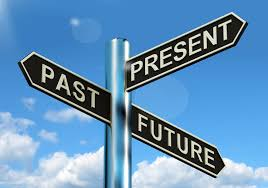
Image courtesy of Patrick Oben
The “there was a time” trend is a nostalgic TikTok trend where creators first show themselves (or a situation) as they are now and then juxtapose it with an older photo or video. They then caption the TikTok “…but there was a time” to highlight how much things have changed, whether that’s partying in their youth, past hobbies, relationships, careers or beloved pets. The trend started around April when users on TikTok began using the phrase and matching sounds to create slideshow-style videos that went viral. It taps into a universal feeling of change, which is why the trend became so big.
- Fruit mousse pastries

A fruit mousse pastry is a realistic, fruit-shaped dessert that reveals layers of airy mousse, fruit compote and cake inside. They took over TikTok, Instagram and real life bakeries. This craze gained major attention in early to mid 2025, when videos showing the dramatic reveal of these pastries went viral and “#fruitshapedpastry” and similar hashtags exploded with millions of views, turning what started in high-end French patisseries into a global social media food moment. It became so big online because of the jaw-dropping visuals, the surprising contrast between appearance and flavor and engaging review videos that influencers made on TikTok.
- Guess the imposter challenge

Image courtesy of Wikimedia Commons
Guess the imposter challenge is a viral TikTok trend where groups of friends, family or coworkers film short, suspense-style guessing videos. In the challenge, one person is secretly the imposter and everyone else gives clues or acts in a way that makes viewers try to guess who it is before the big reveal. There is a word or theme and the players go around saying one word that relates to the bigger word or theme without directly stating what it is. The imposter isn’t aware of the word and has to try and fit in by using clues from the other player’s words when they guess. The trend gained major popularity in August as creators embraced the suspenseful format, often using text overlays, visual cues and playful deception, to engage audiences and create comment-based speculation. The trend is easy to participate in and players can always put their own spin on it.
- Group seven
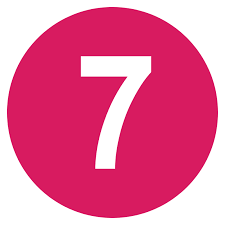
Image courtesy of Wikimedia Commons
Group seven is a TikTok meme and inside joke that started as a playful experiment by singer Sophia James to promote her song “So Unfair.” On Oct. 17, she posted a series of seven videos, each labeled “group one” through “group seven” to see which one TikTok’s algorithm would push the most. The seventh video unexpectedly blew up, racking up millions of views as people saw it on their For You Pages and were told “You are in group seven.” Users quickly embraced being in group seven as a badge of honor or an elite club, posting their own TikToks declaring themselves group seven members, joking about superiority over other groups and building a sense of community around the random label. It became so big because of the algorithm’s natural push towards the video and the feeling of exclusiveness.
- Atlanta low exposure
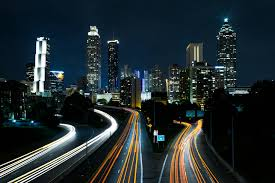
The Atlanta low exposure trend has to do with a funny meme and video style. Creators will intentionally use a low-exposure visual look with dark or muted lighting on TikTok videos, which people then laugh about online. The videos are usually of food, daily routines or local scenes. This trend gained traction in late 2025 when users started posting low-exposure video edits from Atlanta media culture. The trend became popular because of its humorous side and the sharing of experiences, which also made it more relatable.
- “Chanel” dance trend
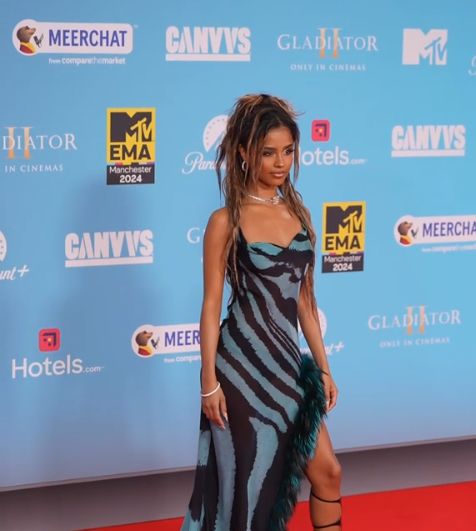
“Chanel” by Tyla released in late October and the dance gained popularity in November. People would create dance videos on TikTok to Tyla’s song featuring the song’s smooth, rhythmic choreography. Even celebrities and idols joined in on the trend. This trend became so big because of the song’s catchy beat, the relatively easy-to-learn dance moves and Tyla’s own popularity.
- Flip the camera trend
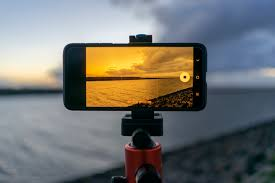
The “flip the camera” trend is a viral TikTok challenge where a group of people ask someone to film them doing a dance or pose with the phone’s screen facing outward, then secretly flipping the camera toward the person holding the phone so their startled or awkward reaction becomes the main focus of the video. The trend gained popularity in late October, spreading quickly across TikTok. It became big because it initially played on the element of surprise and quick laughs, but the trend was actually used as a form of bullying or public humiliation, since the joke is from exposing someone unaware and unprepared on camera, turning their image into entertainment without consent and prompting a wider conversation about online ethics and digital responsibility. Even though it was a very popular trend, it attracted criticism and controversy quickly shut down the trend due to its harmful nature.
- “Lush Life” dance
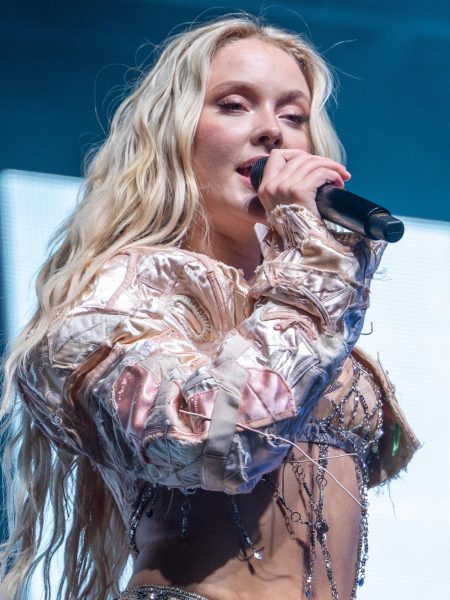
Image courtesy of Wikimedia Commons
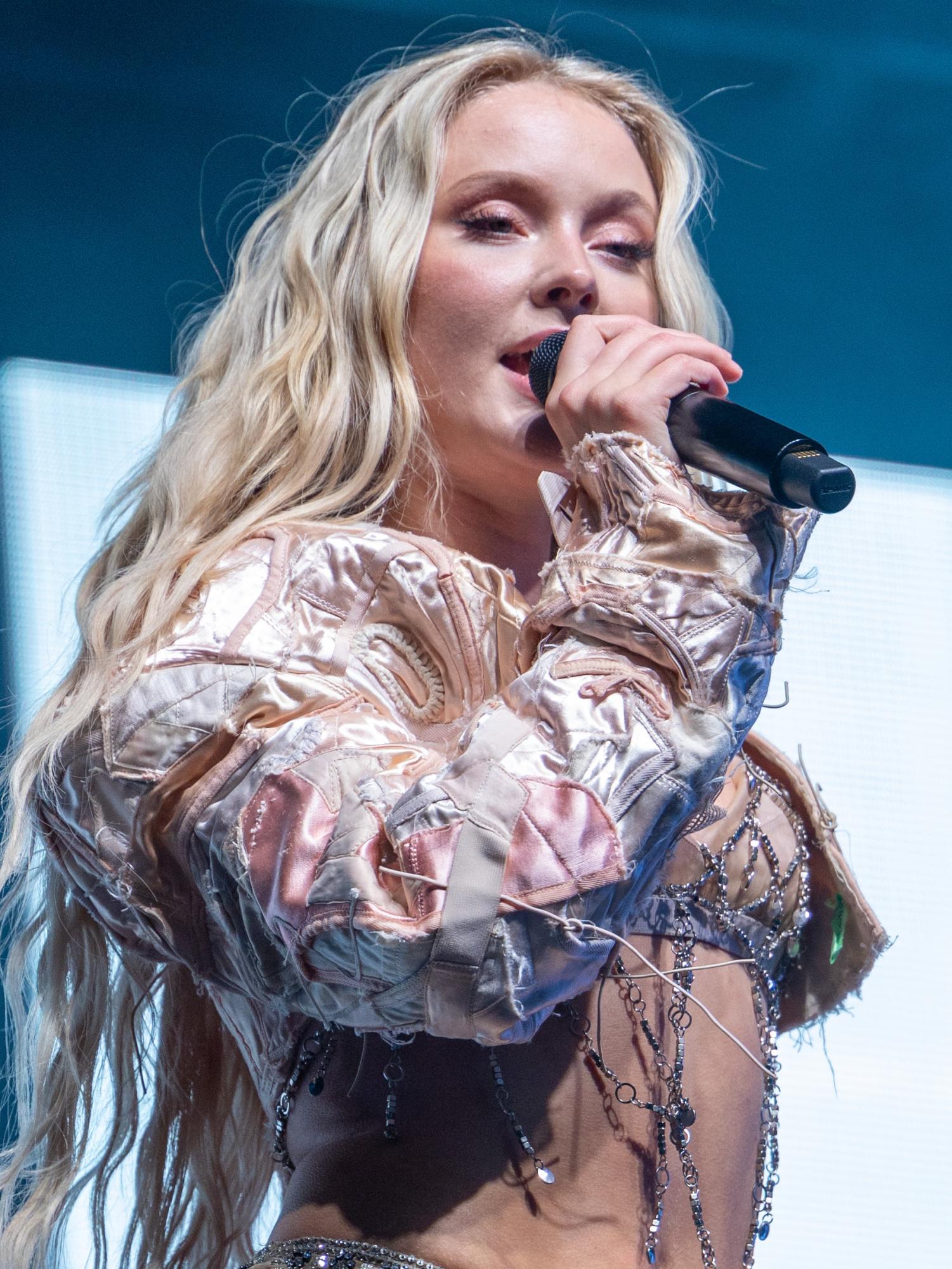
Regaining popularity in November, the “Lush Life” dance trend refers to fans recreating the choreography of Zara Larsson’s 2015 hit song, “Lush Life.” The repopularization of the dance came from a now-famous moment during Larsson’s “Midnight Sun Tour” when a fan flawlessly performed the full dance onstage with Larsson and her dancers. The trend gained momentum as fan videos racked up millions of views, with people posting their own versions and creative spins on the moves.
- Dubai chocolate flavored sweets
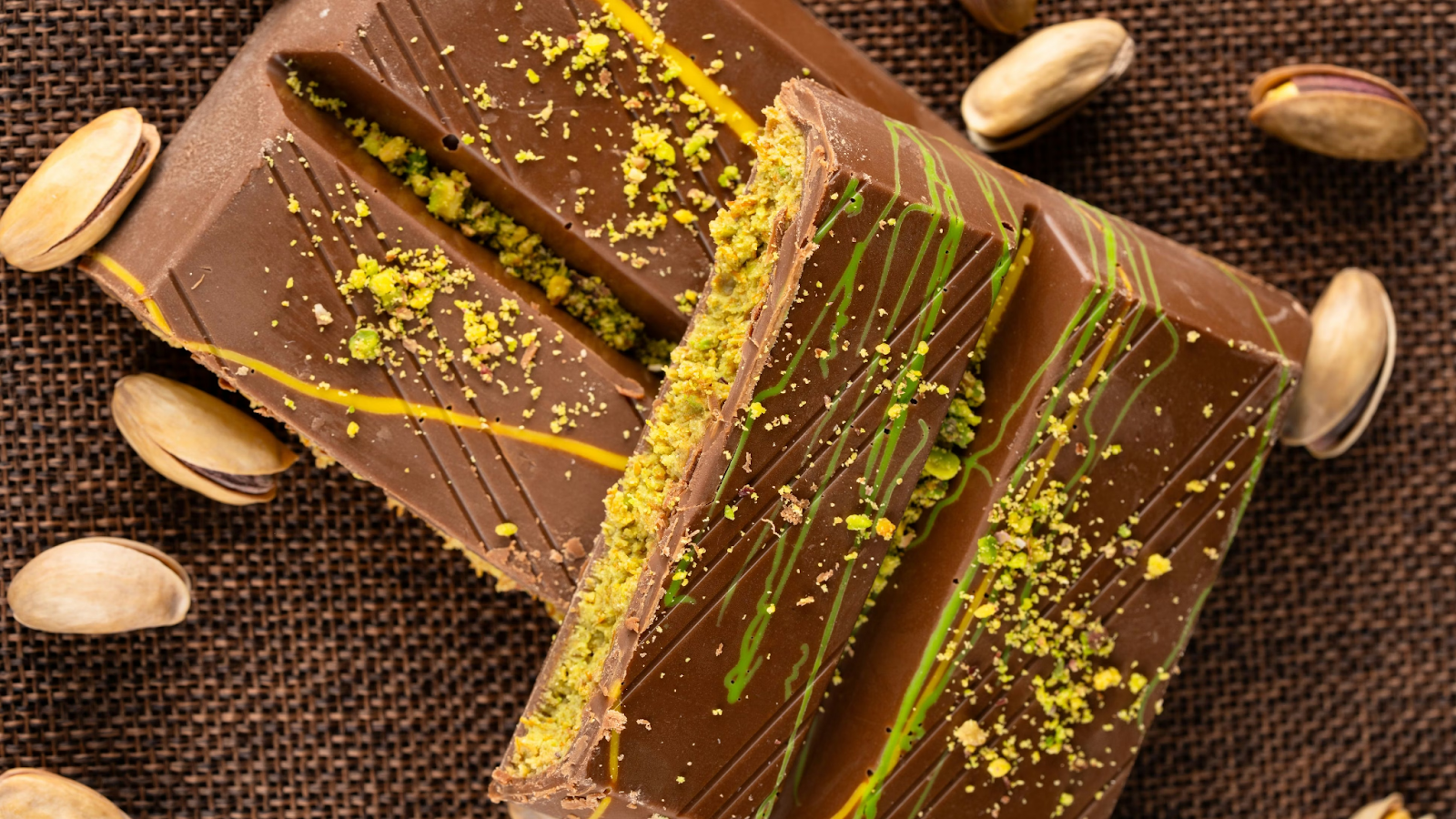
A trend emerged in early 2025 where people would try different sweets that have the taste of Dubai chocolate. Dubai chocolate, a distinctive style of chocolate filled with creamy pistachio and shredded knafeh that originated in Dubai, already gained popularity for its unique taste in 2024. But in 2025, deserts and pastries started to copy the flavors of the tasty treat. For example, popular brands like Crumbl have made a Dubai chocolate flavored cookie. Due to social media amplifying its sensory appeal, Dubai chocolate went from a local boutique treat to an international food sensation with global brands and restaurants adopting the flavor into everything from shakes to pancakes.
- Bringing back 2016 aesthetics/older aesthetics
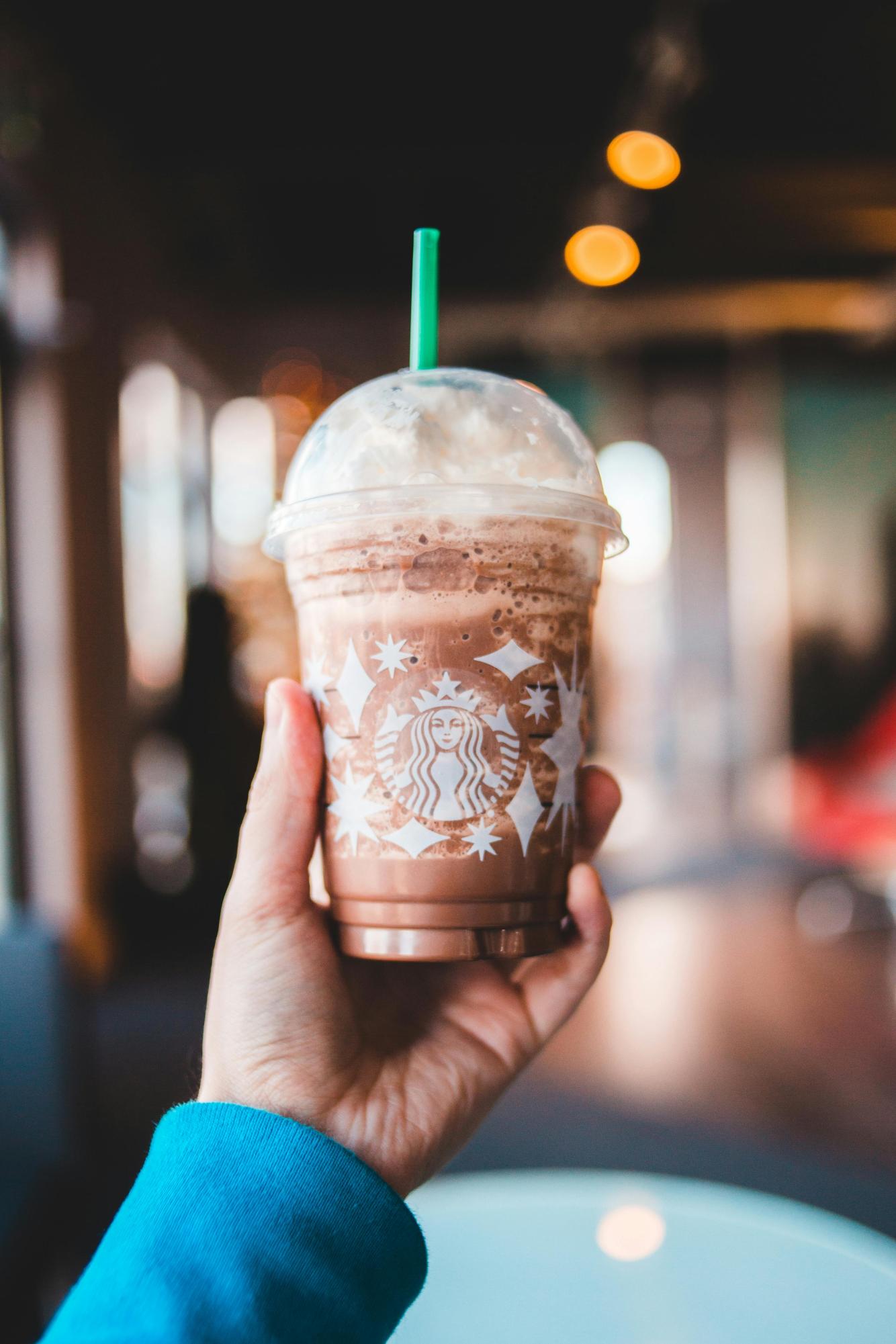
This trend refers to how social media users, specifically on platforms like TikTok and Instagram, are reviving the fashion and visual looks of older aesthetics and eras from the 2010s and early 2000s (or older), but specifically the “2016 aesthetic” has been trending recently. Key features from this era include the soft, pastel-toned photos and heavy use of Visual Supply Company (VSCO) style filters, fashion styles with strong hipster/indie influences and the use of Tumblr. This resurged through 2025 with hashtags like “#Y2K” as creators remixed old styles, filters and memes from the past. One of the main reasons this trend became so big is because of the nostalgia of past years.
- Quarter zip vs Nike Tech
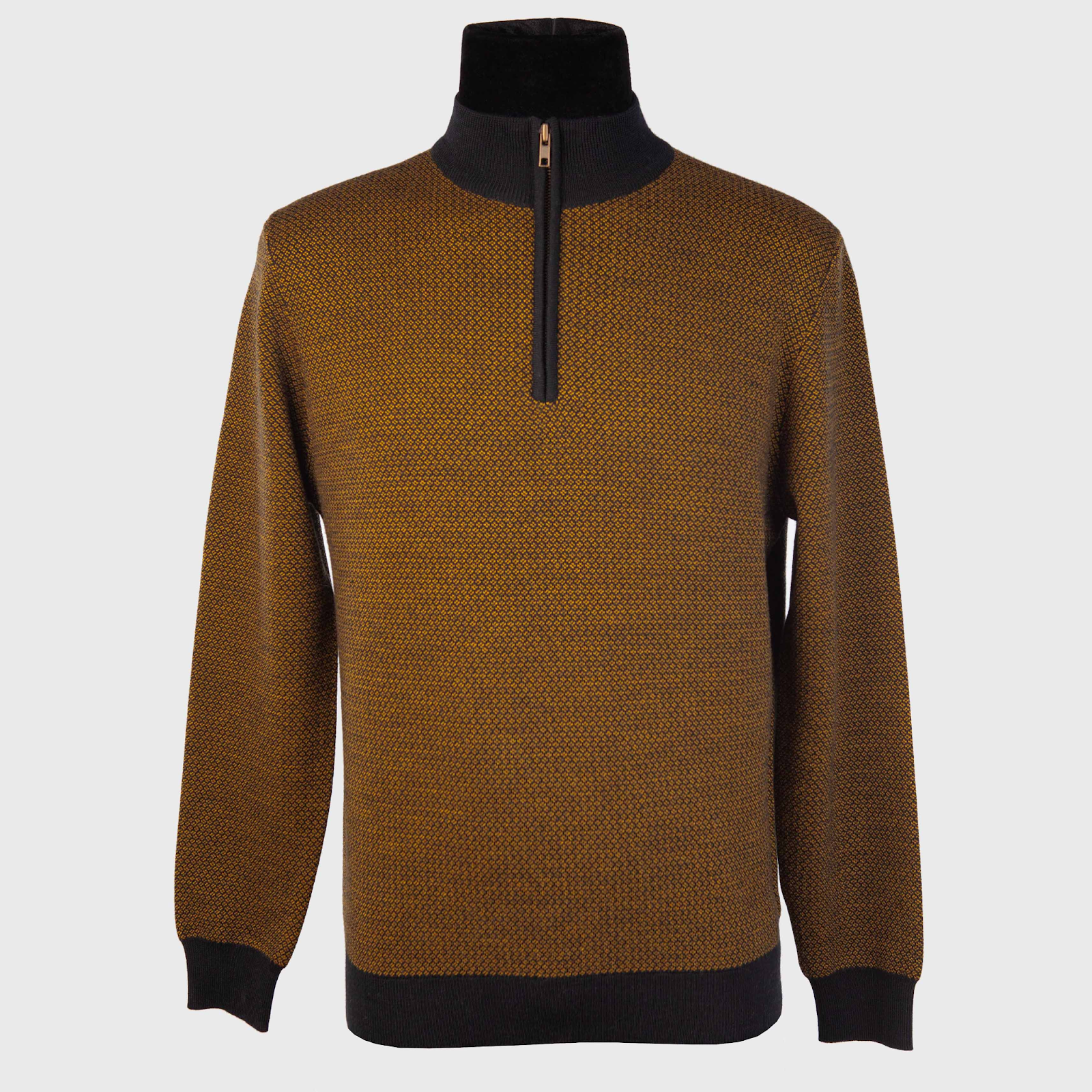
Quarter zips vs. Nike Techs is a viral social media fashion trend and lifestyle joke where young men humorously ditch the casual, streetwear look of Nike Techs for a more preppy quarter-zip. In contrast to its more teasing side, the trend sparked conversations about how it shows a change towards maturity as a generation. The trend specifically gained popularity in November, after TikToker Jason Gyamfi posted a viral video declaring he was now a “quarter-zip dude” and that he didn’t “do Nike Techs and coffee no more,” sparking countless recreations, duets, and memes across TikTok.
- AI fruit ASMR
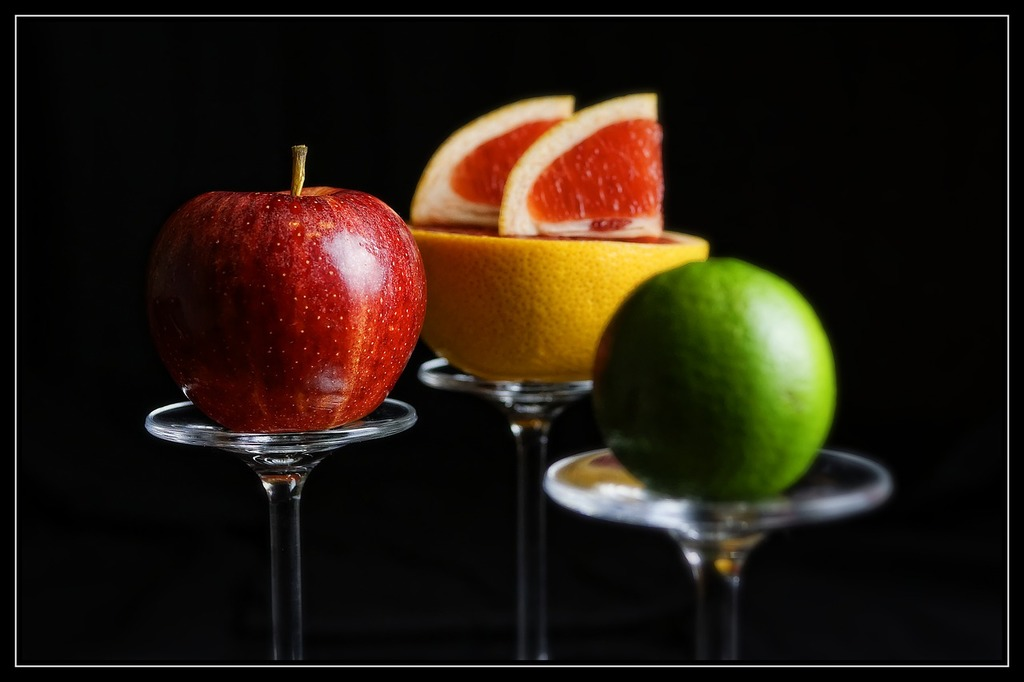
As the use of artificial intelligence (AI) became more popular, so did AI-generated videos, specifically AI fruit Autonomous Sensory Meridian Response (ASMR) videos. The trend refers to short videos of AI-generated content showing fruits with faces eating pieces of the fruit they were embodying or being sliced in surreal, satisfying ways with ASMR-style sounds. The AI clips first started popping up in early July. The faces of the cute fruits were also used for memes and stickers. This trend became so big because of the combination of the oddly cute fruits and the enjoyable ASMR noises.
- “Wicked” interview recreations
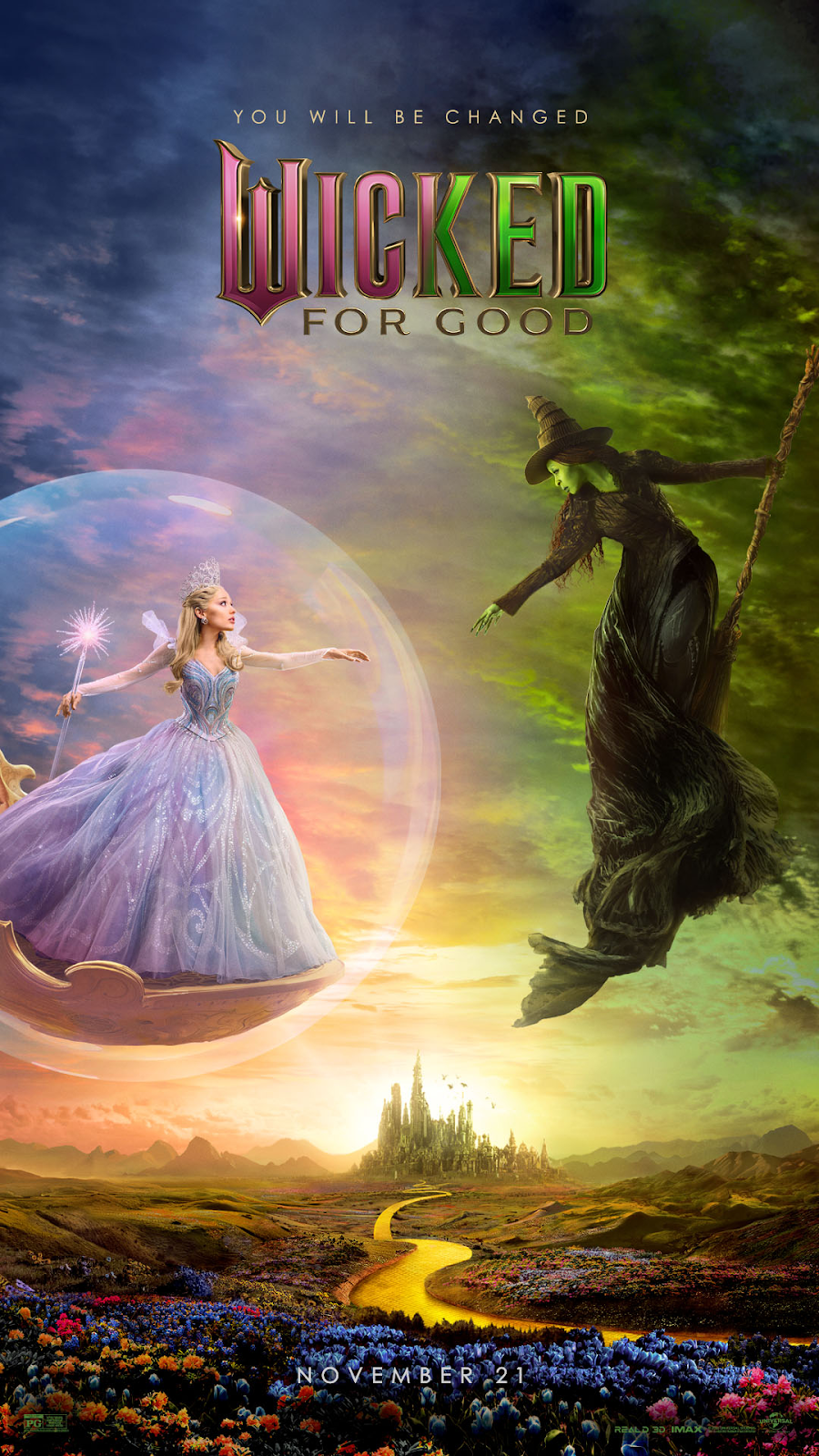
The press tour interviews for the “Wicked” movies quickly gained attention when people started pointing out the quirky and emotional behaviors of Ariana Grande and Cynthia Erivo. Specific moments to take note of include the two actors tearing up over simple questions, saying odd phrases like “holding space for the lyrics”, Grande holding only one of Erivo’s fingers, and Erivo acting overly protective of Grande. People would make skits of the interviews, exaggerating and mimicking their actions. Some people also speculated that there was a bigger reason for how they were acting. The trend took off in late 2024 but gained popularity in 2025 as the press tour continued.
- Performative male
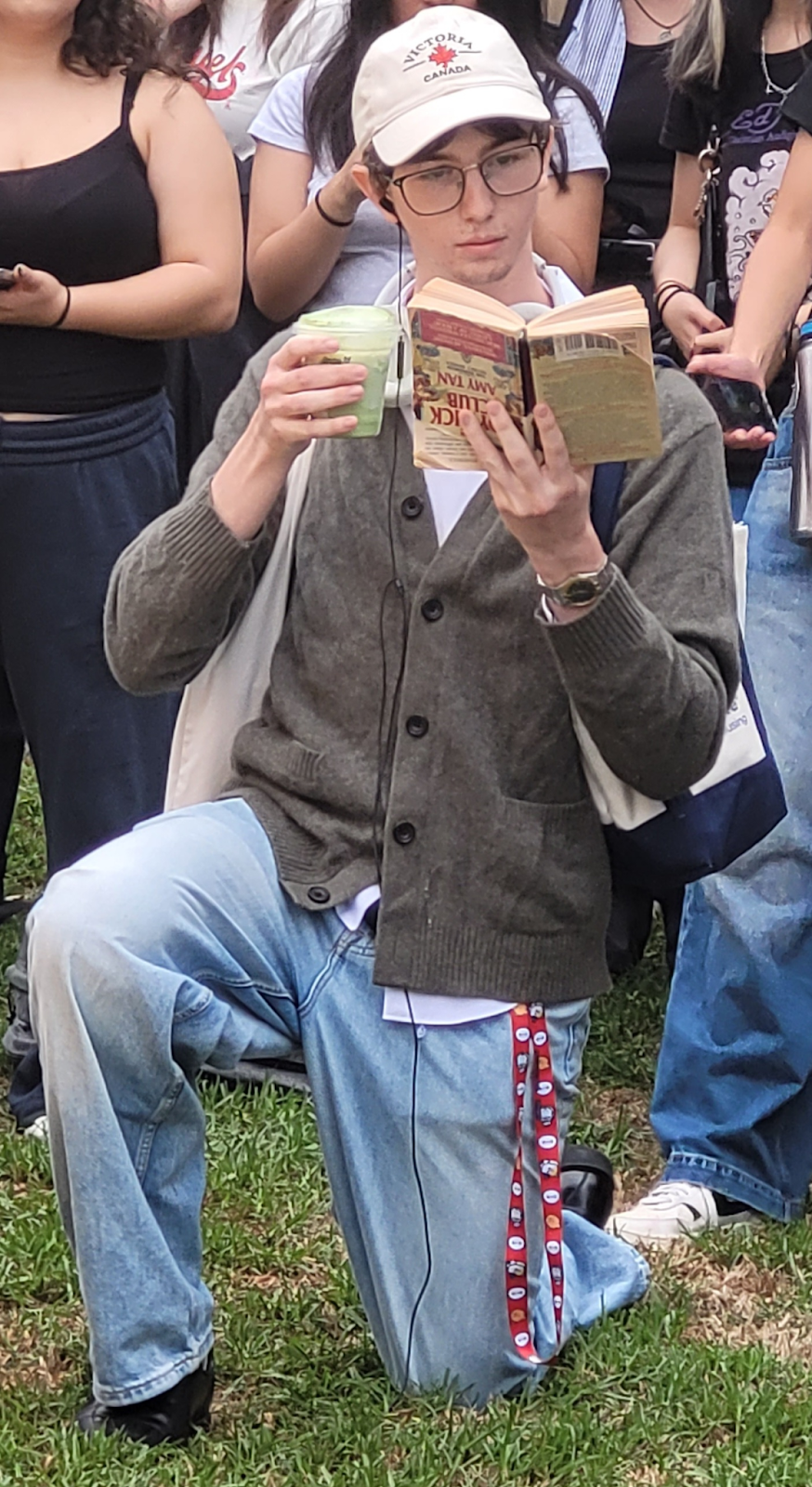
A performative male is a term for a guy who adopts certain interests like drinking matcha lattes, reading self help or feminist books, carrying a tote bag or listening to indie music. Not necessarily because he genuinely enjoys them, but to appear attractive to women or gain social validation online. The trend started to gain popularity on TikTok in August, where performative males would show off their outfits and hobbies using certain songs or audios to attract a female audience. People could quickly see through the purpose of the Tiktoks and would make jokes out of the fashion style of a performative male. It became one of the main ongoing jokes and conversation topics of 2025.